Roofing Information
When a Roof Inspection Shows Replacement Can Wait
See why one Greenlee roof inspection led to a recommendation to wait on replacement, while addressing ventilation and flashing concerns.
Published
3 min read
A roof can have wear and a few problems that need attention without needing a full replacement. In one inspection we recorded, the homeowner asked Greenlee for a replacement estimate and an answer to a more basic question: did the house need a new roof yet?
After checking the shingles, vents, and connections around the house, our recommendation was that replacement could wait. There were still concerns to address. Here's what we found and how those findings shaped the recommendation.
Start with the section showing the most wear
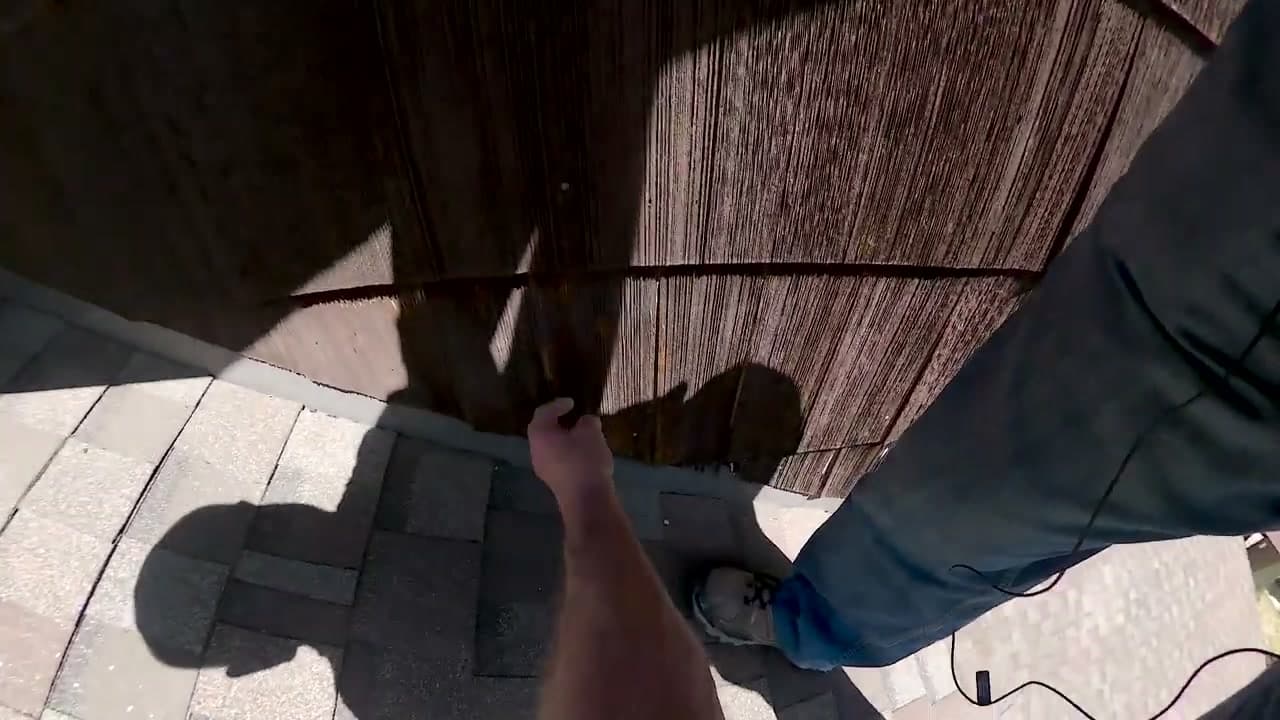
The south-facing porch was a useful place to begin. It received direct sun and reflected sunlight from the wall above it, and it showed more wear than other sections of this roof.
There were worn shingle edges and localized marks to look at closely. Even there, our inspector found that the shingles still had useful life at the time of the visit.
We continued across the roof to see how the other areas compared. That comparison matters: the condition of one porch section doesn't tell us the condition of every slope. A recommendation to replace the whole roof needs to account for the whole roof.
Look beyond the shingles
The inspection also included roof vents, the ridge, plumbing flashings, and the places where the roof met the walls. Plumbing flashings are the fittings that seal around pipes coming through the roof. We checked their condition, including looking and feeling for cracks that might be hard to see.
Two findings away from the main shingle surfaces stood out.
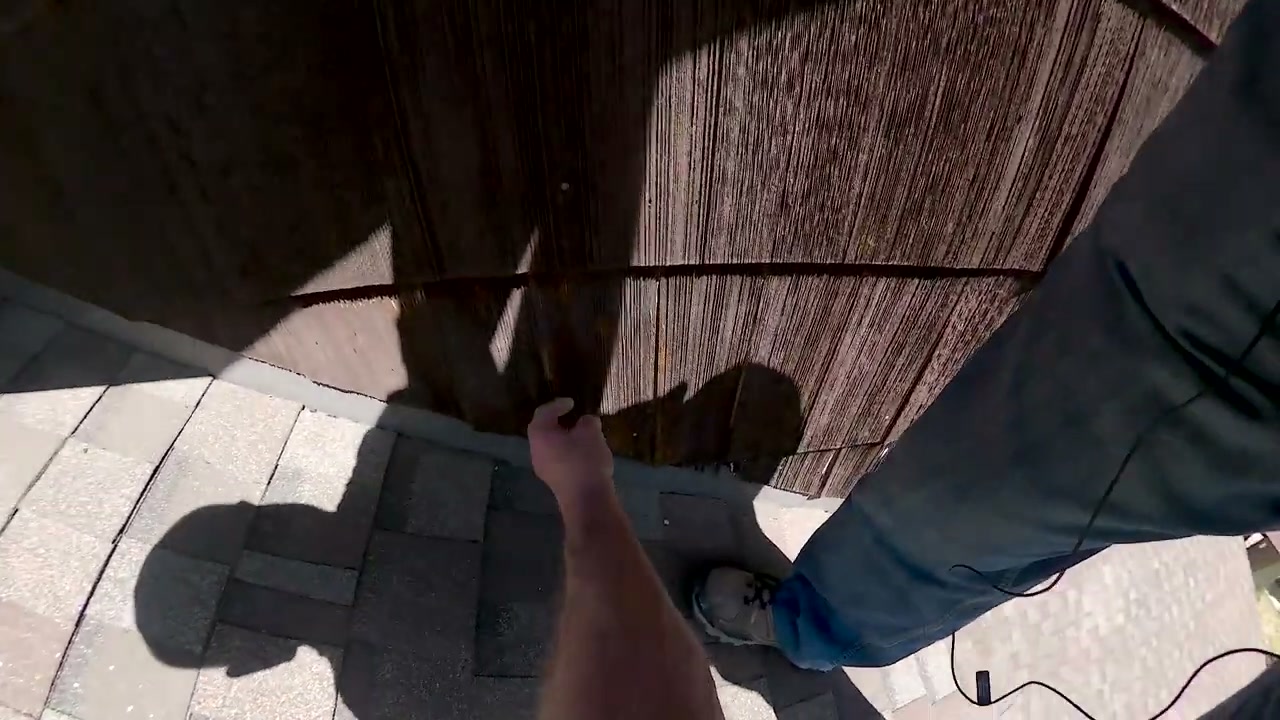
Birds had found a way into the attic. We saw an opening at the eave, along with soffit vents blocked by bird debris. Soffit vents are the air openings beneath the roof's overhang. Having vents in place doesn't help much if something is blocking them.
Some roof-to-wall details needed attention. At one connection, flashing that should have been protected by the siding was exposed. We also noted locations that lacked kickout flashing, the small metal detail that directs water away from the siding at the bottom of a roof-to-wall connection.
These findings gave the homeowner specific issues to address. New shingles across the entire roof would be a much larger job, and the inspection hadn't established a need for that job yet.
What the recommendation meant
Our conclusion was that the roof had remaining life at that visit. The bird entry, blocked vents, and flashing concerns deserved attention, while a full roof replacement could be deferred.
That distinction is useful when you're planning a large expense. You need to understand which problems call for work now and which parts of the roof can continue doing their job.
It also keeps the recommendation honest about time. An inspection describes the condition we find on that visit. If a new leak appears or a storm damages the roof later, those are reasons to have it checked again.
The homeowner's original request was for a replacement estimate. The inspection answered the more important question first: what did the roof actually need?
Questions worth asking about your own roof
If you're unsure about a replacement recommendation, ask for the findings behind it:
- Which areas are damaged or worn, and how does the rest of the roof compare?
- Are any problems at vents, pipe fittings, or wall connections?
- What would a repair address, and what concerns would remain afterward?
- What needs attention now, and what can I plan for later?
Photos can make those answers much easier to understand. Greenlee photographs the roofs we inspect and shares relevant images with our written findings so you can see what we're describing.
For a broader explanation of the conditions that lead to each recommendation, read our guide to roof repair versus replacement.
If you're looking at your own roof and wondering how much work it needs, Greenlee offers free roof inspections in Bend and Central Oregon. Tell us what prompted the question, and we'll take a look before recommending the work.
Related guides
- The Greenlee Difference
Meet the family-owned roofing company serving Central Oregon since 1993, with experienced inspectors, small crews and a final quality check.
- You Ask, We Answer: Common Roof Questions
The questions we get at kitchen tables, answered the way we answer them there. Lifespan, inspections, warranty, colors, and what happens after you sign.
- What to Look for in a Roof When Buying a Home
What to ask the seller, what to look for at the showing, and why realtors and home inspectors send us their roof questions every week.