Roofing Information
How Long Does a Roof Last in Central Oregon?
About 18 to 20 years for shingles, in our experience. Here’s what shortens that, what extends it, and the signs that tell you it’s time.
Published
2 min read
Updated
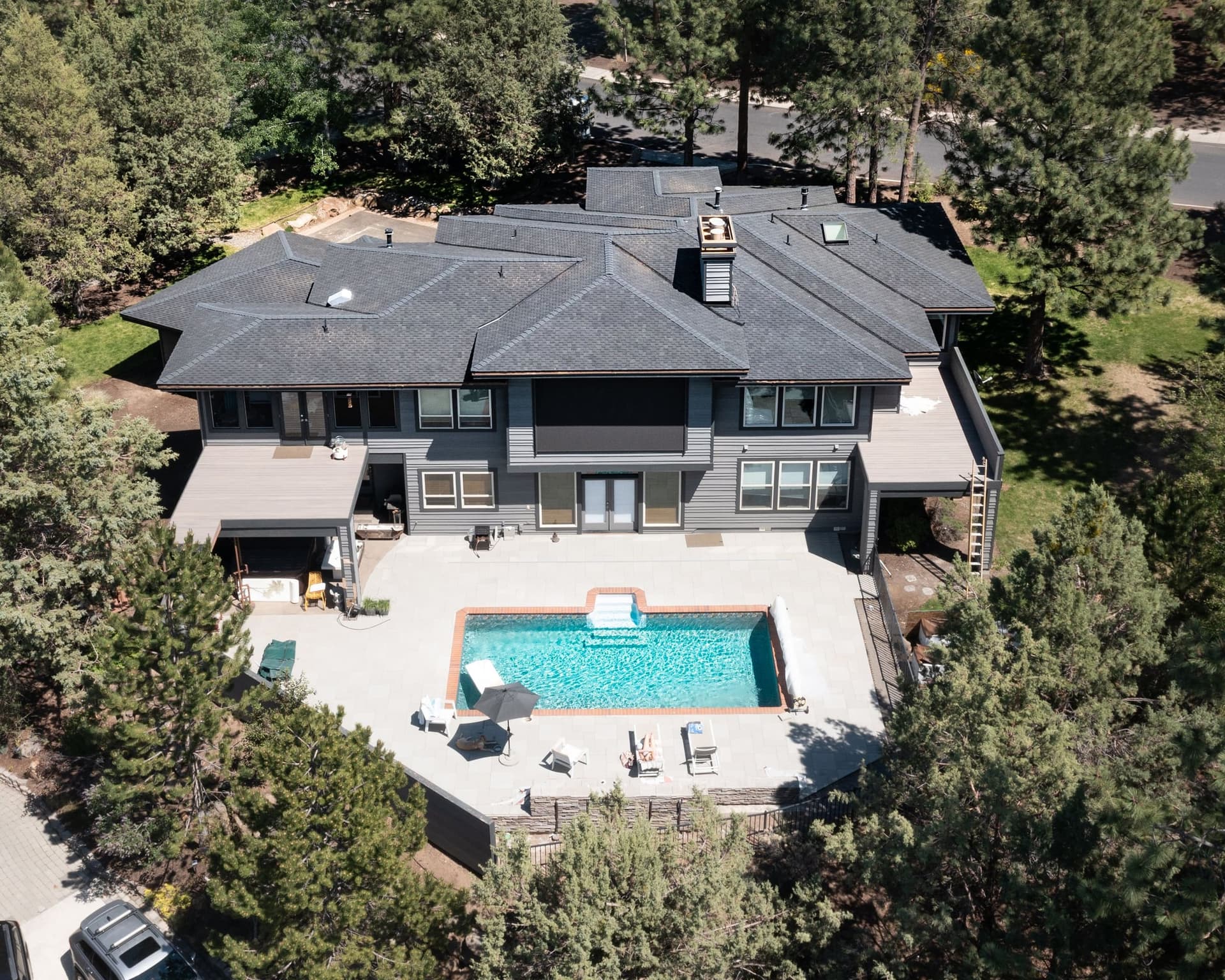
In our experience, a composition shingle roof in Central Oregon lasts about 18 to 20 years. That’s from more than thirty years of walking roofs here, not from a warranty brochure. Today’s architectural shingles should do better than that. Metal lasts a lot longer; the finish is the lifespan.
Two roofs installed the same year can be in very different shape, so the number is a planning cue, not a verdict. Here’s what moves it.
What wears a roof out here
- Sun. Our high-desert UV bakes the oils out of asphalt. South and west slopes go first.
- Freeze and thaw. Water gets into small gaps, freezes, and opens them a little more every night.
- Wind and hail. A few big storms can take years off a roof that was otherwise fine.
- Ventilation. Attic heat and moisture can affect roof performance. Ventilation, insulation and air sealing work together, especially where winter heat loss contributes to ice dams.
- The install. A roof put on right lasts. A roof put on fast has problems that show up in the first rain and keep showing up.
The signs it’s done
You can see most of these from the ground or the attic. Any two together mean it’s time to have a roofer look.
- Granules coming off in patches, and piling up at the downspouts.
- Black asphalt showing through where the granules used to be.
- Shingles that look shiny. That’s the fiberglass mat, the bone structure of the shingle, exposed to the sun.
- Curling or cupping edges.
- Missing shingles after a wind.
- Leaks that keep coming back in different places.
The signs it isn’t
One bad flashing. A worn pipe gasket. A skylight that’s failing before the roof does. A nail that backed out. Those are repairs, and on a roof with years left they’re all it needs. If our inspector sees that, you’ll hear it, and you’ll get it in writing.
The real cost of waiting too long
An old roof doesn’t cost you anything until it does. Then it’s a ceiling, insulation, and sometimes the decking underneath, on top of the roof itself. The point of an inspection on an older roof isn’t to sell you a replacement; it’s to tell you how many winters you have, so you can plan the spend instead of getting surprised by it. If you know the install date, keep the invoice and product information with your house records. If you don’t, we can usually tell from the roof.
Request a free roof inspection and get a straight answer on where yours stands.
Related guides
- What Happens If We Find Damaged Roof Decking?
Learn what happens when roof tear-off reveals damaged decking, how Greenlee explains extra work, and what to ask before signing a proposal.
- Inside Greenlee's Final Roof Inspection
See what Greenlee checks before roof installation sign-off, from flashing and fasteners to cleanup and a dated homeowner report.
- How to Compare Roof Replacement Estimates in Bend
Why we don’t post a price list, what actually moves the number, and how to compare two bids that don’t look alike.