
Hail Damage
What Hail Damage Looked Like on One Bend Roof
A Bend hail inspection in photos: vent dents, gutter granules, and shingle impacts, with an explanation of what each finding tells a homeowner.
Published
3 min read
The homeowner thought the roof looked fine. During a recorded Greenlee inspection in Bend, about a week after a hailstorm, a closer look revealed impact marks that weren't obvious at first glance.
The inspection followed the evidence from a metal vent cap to the gutters and then to the shingles. Each finding added context. Together, they showed why this roof deserved more attention than a quick look from below could provide.
The first clue was a metal vent cap
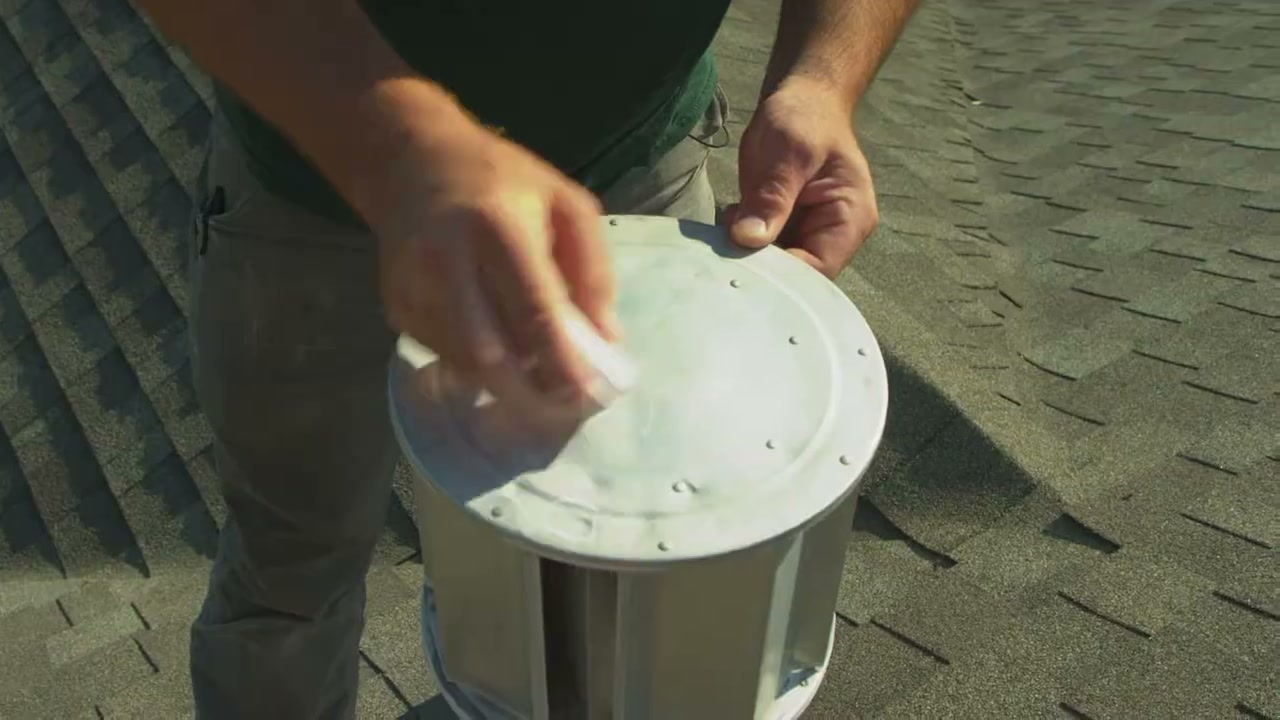
We started by examining the flat top of a metal exhaust cap. It had numerous small dents that were visible up close.
Soft metal can record impacts clearly, so the cap gave us a useful place to start. It didn't settle the question of what had happened to the shingles. Different roof materials can respond differently to the same storm, and the shingles still needed their own inspection.
The gutters added another piece of evidence
Next, we found loose shingle granules in the gutter. Granules are the rough, colored mineral surface on an asphalt shingle. They help protect the asphalt beneath them from sunlight.
On this roof, we considered the gutter findings alongside the dents on the cap and what we found on the shingles. Granules in a gutter don't establish hail damage by themselves. New shingles, for example, can shed excess granules as a normal part of settling in. GAF explains this normal shedding in its technical bulletin.
That is why the next part of the inspection mattered: looking for the actual affected areas on the roof.
Up close, the shingle impacts became visible
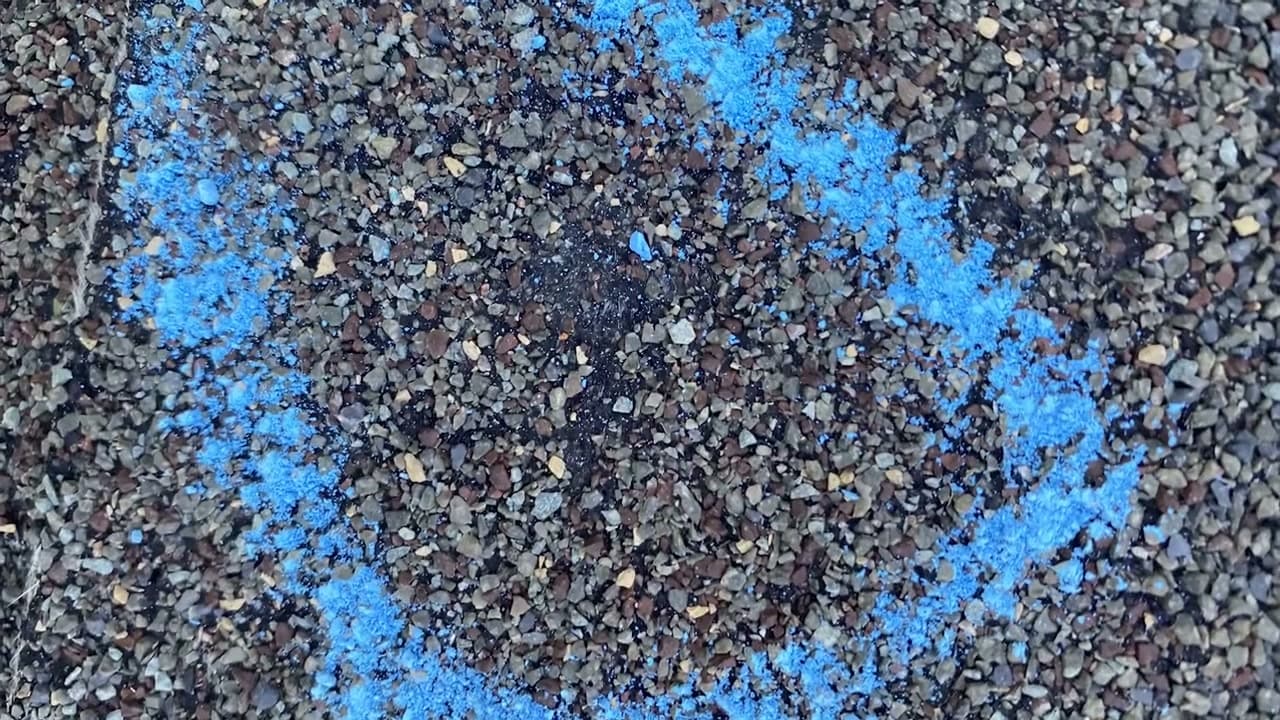
We examined the shingles and marked impact areas with blue chalk so they were easier to locate in the photographs. One close-up shows a dark spot where the surface granules had been displaced.
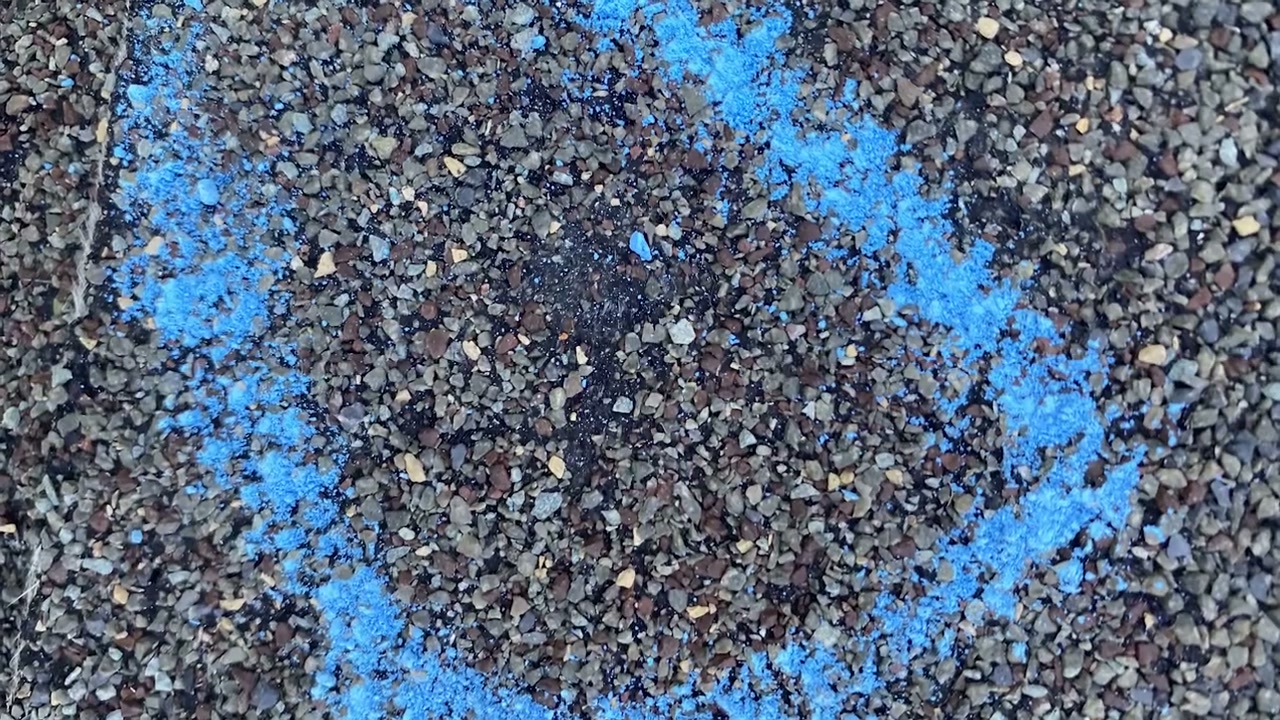
The photos helped connect the finding to a specific location. They also made it possible to explain what we were seeing to someone who hadn't been on the roof.
An immediate leak isn't the only sign that matters. Hail can loosen granules or crack a shingle, and some effects become visible later. Owens Corning describes those changes in its hail damage technical bulletin.
What the findings tell a homeowner
The important result of this visit was that we found and documented damage on a roof the homeowner had thought was fine.
The vent cap provided a clue. The gutter added context. The close inspection identified affected shingles. That sequence gave us something specific to explain, rather than asking the homeowner to judge the roof from its overall appearance.
A Greenlee hail inspection includes written findings and relevant photos. If work is needed, we provide an itemized proposal for the recommended repair or replacement. The recommendation follows the condition and extent of the damage on your roof.
If you pursue an insurance claim, we can provide the roofing documentation, meet the adjuster on site, and answer questions about the work. Your insurer determines coverage under your policy. A photo or a count of marked spots alone isn't a promise of a covered replacement.
If your roof looks fine after hail
You can gather useful information without climbing onto it. Record the storm date, photograph visible changes from the ground, and note any new stains or drips inside. Let us know if water is actively coming in when you call.
Our guide to what homeowners should do after a hailstorm covers the next steps in more detail.
If you're unsure what the storm did to your roof, request a free Greenlee hail inspection. We'll check it up close and explain the findings.
Related guides
- Does Homeowners Insurance Cover Roof Hail Damage?
What usually gets covered, what we do for the roofing side of a claim, what to document, and whether it’s too late to file after last year’s storm.
- What Central Oregon Homeowners Should Do After a Hailstorm
The 24-hour checklist: what to photograph, what to leave alone, when a roof that looks fine isn’t, and what a hail inspection gives you.